
Key Takeaways
- Successful plein air watercolor painting depends on carrying the right supplies and using techniques built for fast-changing outdoor conditions
- Five supplies cover nearly every plein air watercolor session: a small palette, 100% cotton cold-press paper, three round brushes, a water source, and paper towels
- Snapping a reference photo early in a session locks in the light and shadow pattern before the sun moves it
- Committing to bold, dark shadows while preserving the paper’s whites makes outdoor light look like it’s glowing rather than flat
- Tobio’s Kits suggests that new artists look for an all-in-one travel kit that packs a palette, paints, brushes, and paper into a single case that opens in seconds, cutting setup time outdoors – find more expert insights below
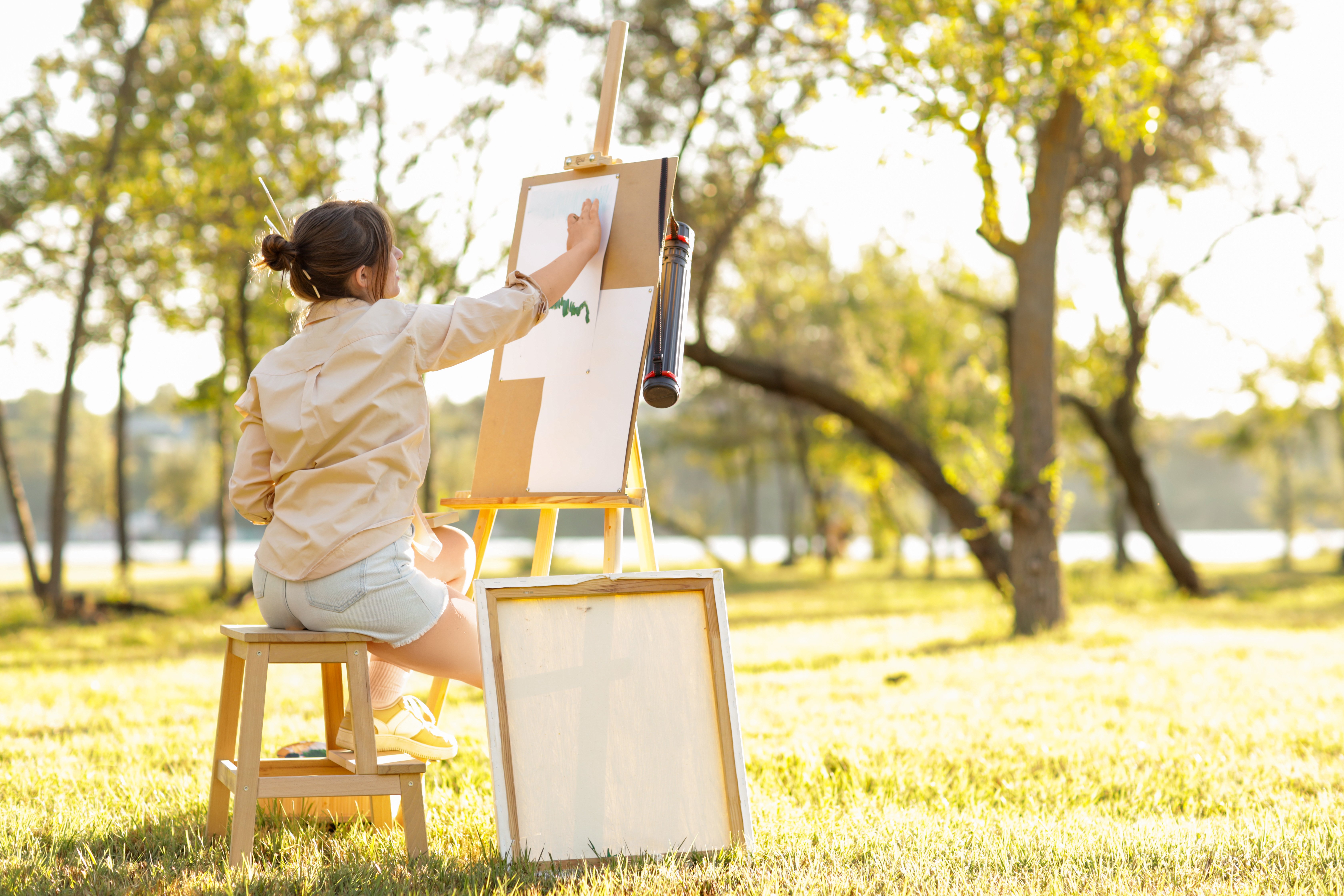
Painting outside sounds romantic until the wind flips a paper, the light moves, and a half-mixed puddle of color dries before it even touches the page. Watercolor plein air painting rewards artists who show up prepared, and preparation starts with knowing exactly what belongs in the bag and how to work fast once the brush hits paper.
Why Outdoor Painting Tests Beginners
Plein air watercolor painting means working outdoors, on location, rather than copying a photo back in a quiet studio. The French phrase translates to “in the open air,” and that open-air setting is exactly what makes the style demanding. Light drifts across a scene in minutes, shadows lengthen, wind tugs at paper, and every one of those shifts forces a painter to make quick, confident decisions instead of lingering over a choice.
Most beginners assume technique is the hardest part of plein air painting, but logistics usually cause more trouble. Spending the first ten minutes on location digging through a bag for the right brush, or mixing an entire palette from scratch, burns through the very light a painter came outside to capture.
The good news is that outdoor painting doesn’t require a mountain of equipment or years of experience. A short list of supplies and a handful of repeatable habits solve most of the problems beginners run into. The rest of this guide walks through exactly what to pack and how to use it once a scene is in front of the easel.
Five Supplies You Can’t Skip
Packing light is not about cutting corners. It means carrying only what earns its place in the bag, since every extra item is one more thing to dig through while the light changes.
Watercolor Paints
A limited palette is a feature, not a limitation, for outdoor painting. Fewer colors force cleaner, more intentional mixing and keep the bag lighter for travel. Most experienced plein air painters settle on a small, versatile lineup:
- A warm and a cool version of each primary color
- A reliable earth tone for shadows and natural textures
- One strong, dark color for deep shadow shapes
- A dependable blue for skies and distant elements
Watercolor Paper or Sketchbooks
Paper choice shapes how paint behaves, and that matters even more outdoors where humidity and wind constantly work against a painting. The safest bet is 100% cotton, cold-press, and reasonably thick paper. Thinner sheets warp badly the moment they get wet, which turns a controlled wash into a wrinkled mess that is nearly impossible to fix mid-session.
A plain sketchbook can work just as well, as long as the pages are thick and made from cotton so they hold up to repeated washes. A sketchbook with enough pages also means multiple sessions and compositions can be tried without committing to a full pad of loose sheets.
Brushes
A full brush roll is unnecessary for outdoor work. Three rounds cover nearly every situation a plein air painter runs into: a large round, roughly size 12 or 14, for broad washes and skies; a medium round, around size 8, for mid-sized shapes like trees or buildings; and a small round, about size 4, for fine detail work near the end of a painting.
A flat brush can double as a wash brush for wide, open areas if one is already on hand. Synthetic bristles tend to hold up better than natural ones in outdoor conditions and weigh less in a bag, which adds up over a long day of walking between spots.
A Two-Well Water Container
A two-well container looks like a small detail, but it solves a real problem. Keeping clean water separate from the dirty rinse water protects color clarity, since muddy rinse water bleeds into every new mix and dulls colors that should stay vibrant.
This supply becomes optional for anyone using a water brush, since the handle stores clean water on its own and releases it while painting. Skipping the container means one less item to pack, refill, or accidentally spill on uneven ground.
Paper Towels
Paper towels pull more weight outdoors than most beginners expect. They lift excess water off a loaded brush, blot mistakes before they set into the paper, soften hard edges on a wet wash, and clean a palette between color mixes.
Pack more than feels necessary, since wind and heat dry washes faster outside than they do indoors, which means paper towels get used constantly throughout a session. A small roll or a folded stack tucked into a zip bag travels well and stays dry even in damp conditions.
Five Tips for Painting on Location
Supplies solve half the equation. The other half comes down to habits that keep a painting moving forward even as conditions change around it.
Travel Light and Set Up Fast
Overpacking is one of the most common mistakes beginners make before their first outdoor session. A bag stuffed with backup supplies and extra gear takes longer to dig through, and every extra minute spent searching is a minute the light keeps shifting without waiting. Sticking to the five core supplies above, organized in a compact case, means setup takes seconds rather than minutes.
Select the Right Subject
Not every scene makes a good subject, and recognizing that early saves a lot of frustration. Strong plein air subjects break down into three clear layers: light values such as sky, grass, or sunlit walls; a large connected midground shape like a treeline or a building; and a smaller foreground with some texture to anchor the composition. Squinting at a potential subject helps strip away distracting detail and reveal those big shapes of light and shadow before a single brushstroke happens. If those three layers are not visible in a scene, it is usually worth walking a little farther to find one that is.
Capture a Photo Before Light Shifts
Natural light never holds still for long, which is exactly why snapping a reference photo at the start of a session matters. That quick photo locks in the shadow shapes and value pattern seen at setup, so the painting can keep following that original look even after the sun has moved on. It also leaves a useful reference for touching up details once the session wraps up, without relying purely on memory.
Direct the Eye with Lines
Strong composition separates a compelling painting from a pretty snapshot of a view. Horizontal lines create a sense of calm and open space, vertical lines suggest strength and height, and diagonal lines add movement and energy to a scene. Identifying the dominant line direction in a subject before painting, then deciding how to use it on purpose, gives a composition a clear visual anchor. A wide horizontal shoreline, for example, becomes far more striking once a single strong vertical, like a pier post or a tall tree, cuts across it.
Maximize Contrast for Light & Shadow
Outdoor light is far more dramatic than anything found indoors, and watercolor is well suited to capture that drama, but only when shadows are painted with real commitment. Many beginners paint shadows too lightly out of fear that going too dark will ruin the piece, and the result often looks flat and washed out despite being technically accurate. Committing to strong, dark shadow shapes early, while preserving the whitest areas of the paper completely, makes the light in a painting feel like it is genuinely glowing rather than just described.
Preparation Matters More Than Skill
Plein air watercolor rewards preparation more than raw talent. The right five supplies, a subject simplified into clear shapes, and the willingness to commit to bold darks do more for a finished painting than any expensive add-on ever could. Painters who travel light and set up quickly end up with more time in front of the light that drew them outside in the first place.
For anyone ready to head outside with a setup that works right out of the box, Tobio’s Kits has more resources on finding an all-in-one watercolor painting kit that can keep the focus on the scene instead of the gear.
Tobio’s Kits
info@tobioshop.com
+1 (305) 257-6512
3833 Powerline Road
Ste 201
Fort Lauderdale
Florida
33309
United States


