Key Takeaways
- Mental health challenges cost small businesses through reduced productivity, increased absenteeism, and higher employee turnover rates.
- Telehealth removes common barriers like time off work, travel, and scheduling conflicts that prevent employees from getting mental health care.
- Virtual therapy sessions offer privacy and convenience while connecting workers with licensed mental health professionals.
- Small businesses gain competitive advantages in hiring and retention when they provide accessible mental health support.
Nearly half of all workers skip medical care because they can’t afford time away or treatment costs. This reality hits employees at small businesses especially hard when it comes to mental health support that requires consistent appointments and follow-through. Traditional healthcare models force people to choose between their paycheck and their wellbeing, creating cycles where minor concerns snowball into major productivity issues. Telehealth solutions are changing this equation by bringing mental health support directly to employees without the usual barriers.
The shift toward remote mental health services represents more than just convenience for busy workers. It fundamentally transforms how small businesses can support their teams without breaking tight budgets or complicated insurance requirements. Understanding what telehealth actually offers reveals why more companies are embracing this approach to employee wellness.
Why Mental Health Matters More Than Ever for Small Businesses
Mental health problems affect workplace performance in ways that many business owners don’t immediately recognize as health-related issues. When employees struggle with anxiety or depression, they often show up to work but can’t focus or complete tasks at their usual level. Research shows that poor mental health directly reduces productivity through several measurable channels, including difficulty concentrating, trouble remembering important details, and decreased motivation to complete work assignments. Depression and anxiety can make even simple tasks feel overwhelming, leading employees to procrastinate or avoid responsibilities altogether.
Small businesses feel these impacts more acutely than larger corporations because each team member carries more responsibility for daily operations. When one person struggles with untreated mental health issues, the entire team often compensates by taking on extra work, which increases stress levels across the board. Workers experiencing mental health challenges might isolate themselves from teammates, skip collaborative projects, or fail to communicate effectively about problems before they become crises. The physical symptoms that accompany mental health conditions create additional workplace problems with headaches, fatigue, and stomach issues forcing people to take sick days or work through discomfort that affects their output quality.
What is Telehealth and Why is it Crucial?
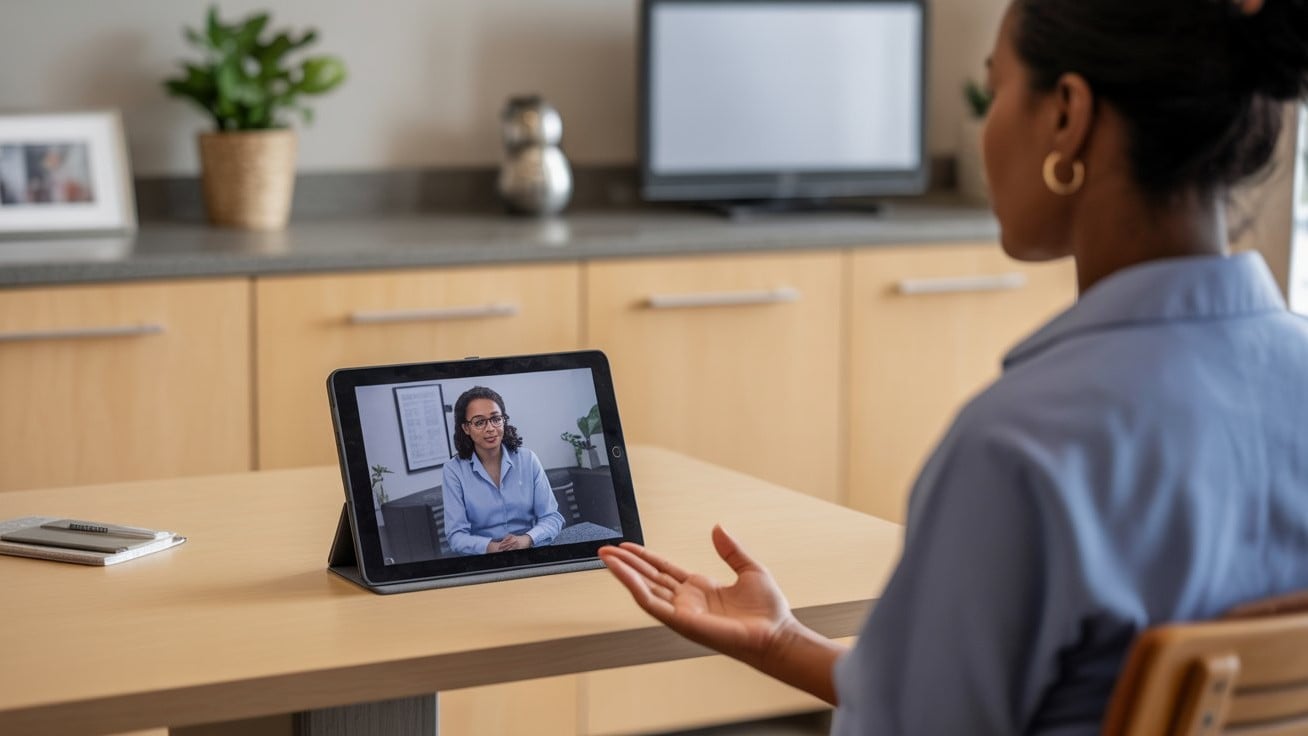
Telehealth provides remote access to healthcare services through digital platforms, connecting patients with medical professionals via video calls, phone consultations, or secure messaging systems. For mental health specifically, this means employees can meet with licensed therapists, counselors, and psychiatrists from wherever they feel comfortable rather than traveling to medical offices. The technology uses secure platforms that protect patient privacy while making appointments as simple as joining a video call during a lunch break or after work hours.
This approach has become crucial because it eliminates the logistical obstacles that traditionally prevent people from seeking mental health care. Employees no longer need to take half days off work, arrange transportation, or sit in waiting rooms to access professional support. The convenience factor matters tremendously for people who might delay or skip mental health care because arranging time away from work creates too many complications. Beyond convenience, telehealth expands access to mental health professionals dramatically since geographic location no longer limits treatment options, allowing employees in underserved areas to connect with specialists who have expertise in their specific concerns.
Benefits of Telehealth for Small Business Employees
Flexible Scheduling Around Work Hours
Employees can book therapy sessions during lunch breaks, before work starts, or after hours without commuting to a clinic. This flexibility eliminates the need to take time off for appointments, protecting paychecks while ensuring consistent access to care. Workers maintain their regular schedules while addressing mental health needs that would otherwise go untreated due to timing conflicts.
Privacy and Reduced Stigma
Virtual sessions from home or personal spaces feel less intimidating than in-person visits for many people. Employees worried about running into coworkers or acquaintances at medical offices find telehealth offers genuine privacy. This comfort level helps people open up about issues they might hesitate to discuss when seeking care, which requires visible trips to mental health clinics.
Access to Specialized Care
Geographic limitations disappear when mental health support moves online, connecting employees with therapists who specialize in their specific concerns. Rural workers without local mental health providers suddenly gain access to professionals across the country. Whether someone needs help with trauma, workplace stress, relationship issues, or chronic anxiety, the right specialist becomes accessible regardless of location.
Immediate Crisis Support
Many telehealth platforms offer crisis counseling that provides immediate support during acute mental health episodes. This quick access prevents situations from escalating while connecting people with appropriate resources for ongoing care. Employees experiencing urgent mental health concerns don’t have to wait days or weeks for available appointments during critical moments.
Lower Out-of-Pocket Costs
Telehealth services often cost significantly less than traditional in-person therapy sessions, making mental health care financially accessible for more employees. Many platforms offer flat-rate pricing or subscription models that remove uncertainty about costs. This affordability allows workers to seek help early rather than waiting until problems become severe enough to justify expensive treatment.
Benefits for Employers
Reduced Absenteeism
Employees addressing mental health issues proactively take fewer sick days than those letting problems go untreated. Virtual appointments during breaks or outside work hours mean people don’t miss shifts for therapy sessions. Healthier workers maintain more consistent attendance, creating predictable schedules that keep operations running smoothly.
Improved Productivity and Work Quality
Mental health treatment helps employees manage symptoms that interfere with concentration, decision-making, and task completion. Workers who receive appropriate support produce higher-quality work more consistently than those struggling without resources. Managers report fewer missed deadlines and better communication when teams have access to mental health services.
Lower Turnover Rates
Employees feel valued when employers provide comprehensive mental health support, strengthening loyalty and reducing job-hopping. The costs of recruiting, hiring, and training replacements far exceed investments in preventive mental health care. Workers who find genuine support at their current job have less incentive to seek opportunities elsewhere.
Competitive Recruitment Advantage
Job candidates increasingly prioritize mental health benefits when evaluating offers, especially younger workers entering the workforce. Small businesses offering telehealth mental health support stand out from competitors relying solely on traditional insurance with limited coverage. This advantage helps attract quality talent without matching corporate salary scales.
Decreased Healthcare Costs
Addressing mental health proactively often prevents more expensive physical health problems that stem from chronic stress and anxiety. Early intervention through accessible telehealth reduces overall healthcare utilization and insurance claims. Healthier employees mean lower premiums and fewer costly medical emergencies down the line.
Signs of Mental Health Issues
Recognizing when employees might be struggling helps create a supportive workplace culture. Common warning signs include:
- Persistent sadness, irritability, or emotional numbness that affects daily interactions and work performance
- Noticeable withdrawal from team activities, avoiding colleagues, or declining participation in projects they previously enjoyed
- Significant changes in work quality, missed deadlines, or decreased attention to detail that represent a departure from normal patterns
- Frequent absences, arriving late repeatedly, or leaving early without clear explanations for the pattern changes
- Physical complaints like headaches, stomach problems, or fatigue that don’t have obvious medical causes
- Difficulty concentrating during meetings, forgetting important information, or appearing distracted when handling routine tasks
- Extreme mood swings or emotional outbursts that seem disproportionate to workplace situations
- Comments expressing hopelessness, worthlessness, or being a burden to others that indicate deeper mental health concerns
How Telehealth Handles Traditional Mental Health Barriers
Traditional mental health care creates multiple obstacles that prevent employees from getting help when they need it most. Taking time off work for appointments means lost wages or using precious vacation days, making regular therapy financially difficult for hourly workers. Transportation challenges affect people without reliable vehicles or those living in areas with limited public transit, while childcare needs complicate scheduling for working parents. Long wait times for available appointments mean people might wait weeks or months to see a therapist, during which their condition can worsen significantly.
Telehealth mental health services eliminate these barriers by meeting people where they are rather than requiring them to navigate complicated logistics. Employees schedule appointments around their work hours instead of during them, connecting from home, cars, or private spaces during breaks. Childcare becomes less complicated when parents can attend therapy sessions from home while kids sleep or play nearby. Wait times shrink because therapists see more patients without office overhead limiting their availability, and geographic restrictions disappear entirely when anyone can access specialists across the country. The reduced stigma of virtual appointments also encourages people to seek help sooner rather than letting problems escalate while they work up courage to visit a mental health clinic in person.
Making Telehealth Work for Your Business
Implementing telehealth mental health benefits starts with choosing providers that match your team’s actual needs and your budget realities. Look for platforms offering flexible pricing models that scale with company size rather than requiring expensive long-term contracts designed for corporations. The provider’s network should include therapists with diverse specialties and backgrounds so employees can find practitioners who understand their specific concerns. Simple enrollment processes and user-friendly technology encourage adoption, while complicated systems discourage use regardless of service quality.
Communication determines whether benefits are used or ignored completely. Regular updates through email, meetings, and handbooks keep mental health resources visible while normalizing help-seeking behavior. Leadership buy-in transforms workplace culture by making support acceptable rather than stigmatized. When managers talk openly about stress management and encourage resource use, workers feel safer accessing services. Telehealth care solutions work best with clear privacy policies, straightforward service information, and reminders that seeking mental health support demonstrates strength.
Telehealth for Less
scott.hall@betteronlineinfo.com
+1 732 716 2233
2150 NJ-35
Suite 250
Sea Girt
NJ
08750
United States