Key Takeaways
- Late April through October provides the optimal window for parking lot repairs in New York, with temperatures consistently above 50°F for proper asphalt compaction
- Early fall delivers the best combination of stable weather conditions, improved contractor availability, and enhanced compaction results
- Winter emergency repairs cost significantly more due to cold patch applications and moisture infiltration risks that damage foundations
- Project type determines timing strategy – new construction requires different scheduling than overlay work or crack sealing
- Strategic scheduling minimizes business disruption while maximizing repair durability and cost-effectiveness
Commercial property managers and business owners across New York face a critical decision each year: when to schedule parking lot repairs for maximum durability and cost-effectiveness. The timing of asphalt work directly impacts both the quality of results and the bottom line, making this choice vital for protecting property investments.
Why Late April Through October Delivers Optimal Results
The optimal window for parking lot repairs in New York spans from late April through October, driven primarily by temperature requirements for proper asphalt installation. During this period, air temperatures consistently remain above 50°F, while ground temperatures reach the minimum threshold needed for hot mix asphalt to cure correctly and achieve proper compaction density required for long-term durability.
This extended season allows property managers flexibility in scheduling while ensuring contractor availability remains strong throughout most of the period. Avello Asphalt & Construction Corp notes that working within this optimal timeframe prevents the premature cracking and water infiltration issues that plague off-season repairs, potentially extending pavement life significantly.
Weather stability during these months also reduces project delays and allows for proper planning of phased work, particularly important for businesses that cannot afford extended disruptions to customer access.
Temperature Requirements That Make or Break Your Investment
Understanding the science behind asphalt installation reveals why temperature control determines repair success or failure. The asphalt binder that holds stone aggregate together requires specific thermal conditions to remain workable and achieve proper compaction.
Air and Ground Temperature Standards for Proper Compaction
Ground temperatures between 60°F and 85°F create optimal conditions for asphalt installation, allowing crews sufficient working time before the material cools and becomes difficult to compact. When ground temperatures drop below 50°F, asphalt cools too rapidly, preventing achievement of proper density and leaving the surface vulnerable to early failure.
Air temperature plays an equally critical role, as it affects how quickly heat transfers from the hot asphalt mix to the environment. Cold weather conditions significantly hinder compaction efforts, making it challenging to achieve uniform results even with specialized techniques.
Optimal Ambient Conditions for Hot Mix Asphalt Installation
Hot mix asphalt performs best when ambient conditions support controlled cooling rather than rapid heat loss. Low humidity levels during spring and early fall allow moisture in the asphalt to evaporate at the proper rate, forming a uniform surface without trapping water beneath the pavement.
Wind conditions also impact installation quality, as excessive wind accelerates cooling and can blow debris onto the fresh asphalt surface. Calm, dry days with moderate temperatures consistently produce the strongest, most durable repairs.
Seasonal Windows: Spring vs Summer vs Fall Timing
Each season within the optimal repair window offers distinct advantages and challenges that property managers must weigh against their specific needs and constraints.
Late Spring: Moderate Weather and Regional Contractor Considerations
Late spring (May through early June) provides moderate temperatures that promote excellent asphalt curing without the extreme heat complications of midsummer. Contractors typically have good availability as the busy season begins, often resulting in more competitive pricing and flexible scheduling.
However, spring weather can be unpredictable, with occasional late-season storms requiring schedule flexibility. Ground moisture from winter snowmelt may also extend preparation time for some projects, particularly those involving extensive base work.
Summer: Peak Conditions with Business Disruption Management
Summer months (July through August) offer the most reliable warm weather conditions and longest daylight hours, allowing crews to complete projects efficiently. The extended working day reduces overall project duration, minimizing business disruption.
Peak summer heat can create challenges, requiring early morning start times and additional safety measures for crews. Contractor demand peaks during this period, potentially increasing costs and reducing scheduling flexibility. Thunderstorms common during summer months can also cause unexpected delays.
Early Fall: Enhanced Compaction Weather with Daylight Limitations
Early fall (September through October) frequently delivers ideal conditions with stable temperatures, lower humidity, and reduced precipitation. These conditions support superior asphalt compaction and reduce the risk of surface imperfections.
Contractor availability often improves as summer demand subsides, potentially offering better pricing and more attentive service. However, shorter daylight hours require efficient project management, and the risk of early frost increases toward late October.
Project Type Determines Your Scheduling Strategy
Different types of parking lot work require tailored timing strategies to optimize results and minimize operational impact.
New Construction vs Overlay Projects
New parking lot construction demands the longest lead times and most favorable conditions, making late spring through early fall ideal for site preparation and base installation. These projects benefit from stable weather patterns that allow proper curing of each layer.
Overlay projects offer more scheduling flexibility since they involve less invasive work. However, they should avoid peak summer heat that can soften existing asphalt and complicate the bonding process between old and new layers.
Crack Sealing and Striping Timing Considerations
Crack sealing requires warm, dry conditions for materials to flow properly into fissures and bond effectively. Spring through early fall provides optimal conditions, with late summer often preferred due to lower humidity levels.
Striping work demands completely dry surfaces and minimal precipitation risk for 24-48 hours after application. Late spring and early summer often provide reliable conditions for stripe work, with moderate temperatures and predictable weather patterns.
Why Winter and Early Spring Emergency Repairs Cost More
Understanding the limitations and costs of off-season repairs helps property managers appreciate the value of proper seasonal planning.
Moisture Infiltration Damages Foundations and Vehicles
Winter conditions allow moisture to penetrate through cracks and failed areas, reaching the foundation layers beneath the asphalt. This infiltration weakens the structural base, requiring more extensive repairs when proper conditions return.
Standing water and ice formation in parking areas create safety hazards for customers and can damage vehicles through salt exposure and impact from ice chunks. Emergency repairs become necessary to maintain basic safety and accessibility.
Water Expansion During Freeze-Thaw Destroys Asphalt Structure
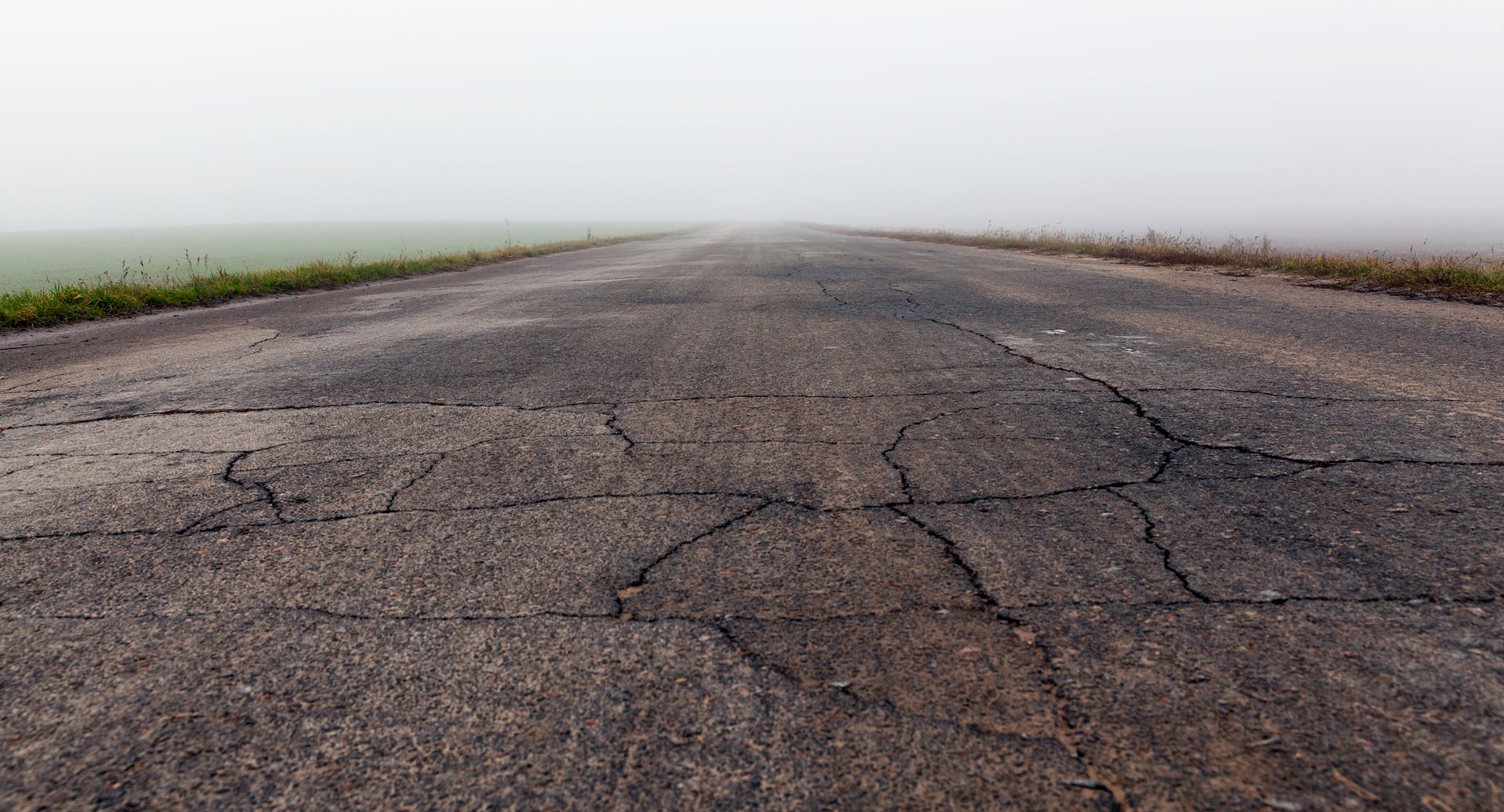
New York’s freeze-thaw cycles create tremendous pressure within existing cracks, expanding minor issues into major structural failures. Water freezing in cracks can expand with enough force to split asphalt sections, creating hazardous driving conditions and accelerating deterioration.
This cyclical damage means that small problems left unaddressed through winter often require complete reconstruction rather than simple patching by spring, dramatically increasing repair costs.
Cold Patch Solutions vs Permanent Hot Mix Applications
Winter emergency repairs rely on cold patch materials that provide temporary solutions at significantly higher per-square-foot costs. These materials lack the durability and bonding strength of hot mix asphalt, typically requiring replacement within months.
Cold patch applications cost substantially more than permanent hot mix repairs while providing only temporary relief. Property managers often find themselves paying for the same repair multiple times when forced to address issues during off-season periods.
Business Operations and Communication for Phased Projects
Strategic project planning minimizes operational disruption while ensuring quality results through proper coordination and communication.
Minimizing Customer Disruption with Strategic Timing
Scheduling parking lot repairs during off-peak business periods reduces customer inconvenience and potential revenue loss. Late-night and weekend work options allow businesses to maintain normal operations while addressing necessary maintenance.
Phased project approaches enable businesses to keep portions of their parking areas accessible throughout the repair process. This strategy works particularly well for large retail centers and office complexes that cannot afford complete closure.
Communication Protocols for Multi-Phase Work
Clear communication with customers, employees, and tenants prevents confusion and maintains goodwill during construction periods. Advance notice of 2-3 weeks allows stakeholders to plan alternative arrangements and reduces complaints.
Regular updates on project progress and any schedule changes keep all parties informed and demonstrate professional management. Providing specific timeframes for each phase helps businesses plan operations accordingly.
Weather Contingency Planning for Rain and Temperature Delays
Successful parking lot repair projects incorporate flexibility for weather-related delays while maintaining quality standards. Professional contractors build contingency time into schedules, typically adding 20-30% to account for weather interruptions during the optimal season.
Temperature monitoring becomes critical as the season progresses, particularly in late fall when unexpected cold snaps can halt work mid-project. Having backup plans for alternative work phases keeps projects moving when primary tasks cannot proceed.
Communication protocols with contractors should include regular weather updates and clear decision points for when to pause or resume work. This coordination prevents costly mistakes and ensures quality results despite challenging conditions.
Schedule Your Parking Lot Repairs During Peak Season for Maximum Durability
Property managers who plan parking lot repairs during the optimal seasonal window consistently achieve better results and lower total costs. The combination of ideal weather conditions, contractor availability, and material performance creates an environment where quality work can be completed efficiently.
Early planning allows property managers to secure preferred contractors and schedule work during less disruptive periods for their businesses. This proactive approach prevents emergency situations that force expensive off-season repairs and ensures repairs are completed under conditions that maximize longevity.
The investment in proper timing pays dividends through extended pavement life, reduced maintenance costs, and improved safety for customers and employees. Quality repairs completed during optimal conditions can significantly extend parking lot life compared to emergency patches applied during unfavorable weather.
Avello Asphalt & Construction Corp
141 Daley Road
Poughkeepsie
NY
12603
United States