Throughout history, silk has always been coveted for its comfort and the status it conveyed. The textile is still beloved as a gift in modern times, but for different reasons: now, customers are looking for natural, eco-friendly products in response to growing awareness of environmental issues, with 75% of buyers considering sustainability as a major factor in their purchasing decisions.
Experts like Mayfairsilk agree that silk is among the most sustainable fabrics in the textile industry, in addition to offering consumers a myriad of skin and hair health benefits—making it an environmentally conscious gift suitable for any occasion.
Growth in the Silk Industry
The global silk textiles industry is currently valued at $26.30 billion USD and is predicted to grow to $53.19 billion USD by 2034—a CAGR of 9.20%. Analysts believe that this growth is driven primarily by heightening demand for luxury, natural fabrics and the growing middle class. Moreover, increasing environmental awareness has led consumers to seek products produced using eco-friendly methods, which are common in sericulture practices.
According to industry experts, mulberry silk is significantly more sustainable than other textiles due to the nature of its production. The silk is made by silkworms that are fed on the leaves of mulberry trees, which sequester carbon from the atmosphere and do not require fertilisers or pesticides as they grow; any silk that does not meet quality standards is used as filling, and by-products such as sericin are recovered for use in cosmetics and pharmaceuticals, resulting in very little waste.
Certain companies, like Mayfairsilk, also source their textiles from producers known for sustainable practices, which ensures that no toxic chemicals or dyes are used at any point in the process.
Health Benefits of Silk
Aside from the environmental benefits of silk, consumers also favour the fabric for its natural properties. As a protein-based fibre, silk contains 18 amino acids, including glycine, alanine, and serine, making it highly compatible with human skin and hair.
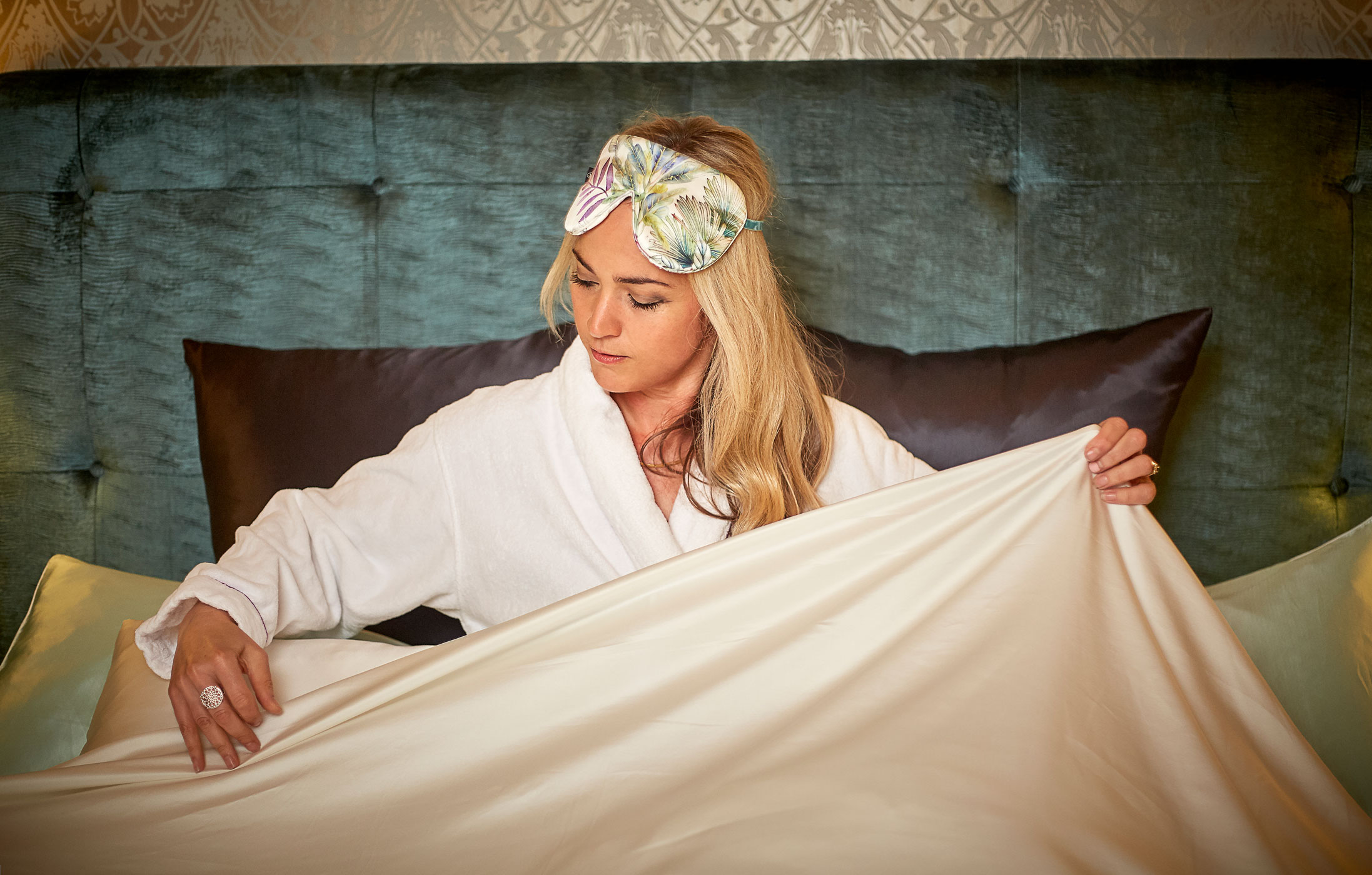
In fact, dermatologists around the world now recommend silk bedding and clothing for consumers who struggle with skin conditions like eczema, as its smooth texture reduces mechanical friction, bacteria load, and moisture absorption, in addition to completely repelling dust mites. This can significantly reduce the chances of flare-ups or allergies.
In general, silk is widely believed to help with sleep quality, as its thermoregulating properties and breathability can improve comfort during sleep.
Choosing Silk Products
While silk is generally safe and made with non-toxic materials, experts say that it’s important to look for products with OEKO-TEX Standard 100 certification. This indicates that the fabric has been tested extensively to ensure there are no toxic chemicals.
Experts also note that silk longevity, texture, and appearance are influenced by momme weight, with higher momme values indicating higher-quality, more durable fabrics. In bedding, for example, consumers are advised to look for bed sheets in the 22 momme range and pillowcases in the 25 momme range, as these options will be able to withstand daily use for years with proper maintenance.
Is Silk a Good Gift?
While the suitability of a gift depends on the recipient, experts believe that silk is universally appreciated due to its functionality, sustainability, and beauty. Consumers who are looking for luxury gifts can therefore consider it as an option, particularly if they are shopping for anniversary celebrations.
Mayfairsilk
13 Hanover Square
Mayfair
London
England
W1S 1HN
United Kingdom