CMK Excavation Provides Specialized Site Work for St. Clair’s Challenging Terrain
Union, United States – March 2, 2026 / CMK Excavation /
Excavation Contractor in St. Clair, MO Addresses Clay Soil Issues
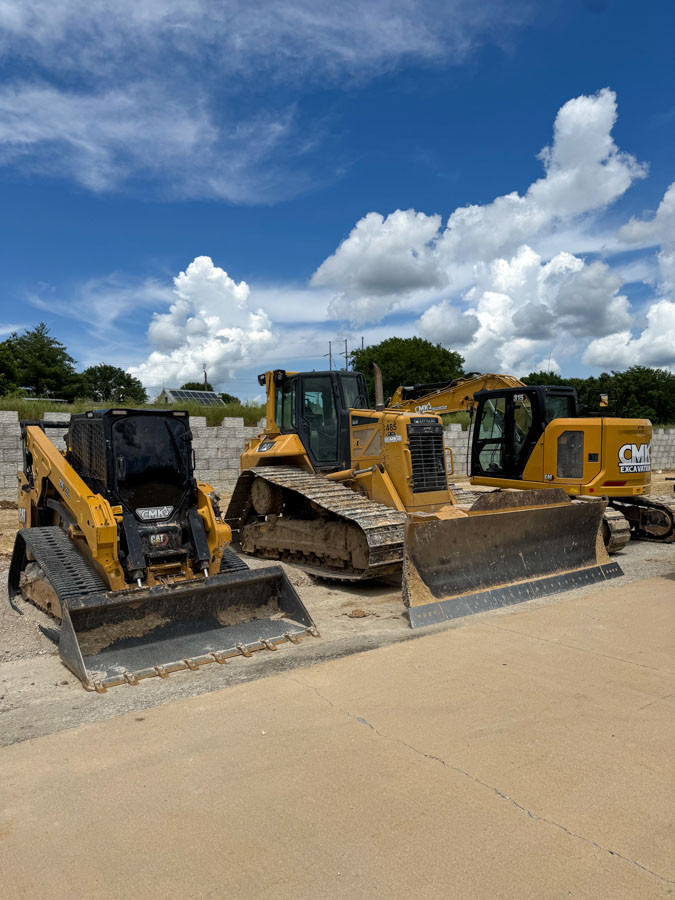
CMK Excavation continues serving St. Clair property owners with excavation and septic services designed to address the region’s clay-heavy soil conditions. The company specializes in site preparation, foundation excavation, utility trenching, drainage solutions, retaining wall construction, and complete septic system installation throughout Franklin County.
St. Clair sits in an area where clay soils dominate the landscape, creating distinct challenges for construction and septic system installation. The excavation contractor in St. Clair, MO works with soil conditions that expand when wet and shrink during dry periods, potentially causing foundation movement, drainage problems, and septic system failures. Proper site evaluation, strategic excavation techniques, and engineered drainage solutions prevent costly repairs and ensure long-term stability for residential and commercial properties throughout the community.

Clay Soil Characteristics Require Specialized Excavation Techniques
Franklin County’s predominant clay soils exhibit plasticity when wet and become rock-hard during drought conditions, complicating excavation work and foundation preparation. Clay’s fine particle structure retains water, creating poor drainage that leads to standing water and foundation instability if not properly managed. Excavation contractors must account for soil shrink-swell potential, which can exert significant pressure on foundation walls and cause cracking over time. Professional excavation practices include proper compaction methods, strategic removal of unsuitable soils, and installation of engineered fill materials that provide stable building platforms resistant to clay soil movement.
Foundation Excavation Demands Precise Depth and Drainage Planning
Building code requirements mandate foundations extend below frost depth, typically 30 inches in Missouri, but clay soil conditions often necessitate deeper excavation to reach stable bearing capacity. Contractors must evaluate soil strength through proper testing to determine if additional measures like extended footings or piers are necessary. Perimeter drain systems installed during foundation excavation prevent water accumulation against basement walls that causes hydrostatic pressure and potential flooding. Proper backfill materials around foundations provide drainage pathways that direct water away from structures. Foundation excavation standards ensure buildings remain stable throughout Missouri’s seasonal moisture variations that cause clay soils to expand and contract.
Septic System Installation Requires Soil Percolation Testing
Clay soils create significant challenges for septic drain fields because their dense structure restricts wastewater absorption and percolation. County health departments require percolation tests that measure how quickly water moves through soil, determining appropriate septic system sizing and configuration. Properties with heavy clay often need larger drain fields, alternative system designs like mound systems, or engineered solutions that enhance drainage capacity. Proper excavation depth ensures drain field components sit in suitable soil layers that provide adequate treatment and prevent system backup. Septic system regulations protect groundwater quality while ensuring systems function reliably in challenging soil conditions common throughout St. Clair and surrounding areas.
Utility Trenching Accounts for Soil Stability and Depth Requirements
Water lines, electrical conduits, and gas lines require trenches that maintain stability during installation while protecting utilities from freeze damage and external pressure. Clay soils can collapse into trenches when saturated, requiring shoring or sloped excavation walls that prevent cave-ins and ensure worker safety. Proper bedding materials surround utility lines, preventing point loads that could damage pipes or cables when clay soil expands. Compaction of backfill material must occur in controlled lifts to achieve proper density without creating voids that allow future settling. Utility installation practices ensure infrastructure remains protected and functional despite ground movement from clay soil expansion and contraction cycles.

Drainage and Erosion Control Protect Property Investments
St. Clair’s rolling terrain combined with clay soils creates erosion concerns during construction and long-term drainage challenges after project completion. French drains, catch basins, and grading that directs water away from buildings prevent basement flooding and foundation damage common in clay soil areas. Retaining walls stabilize slopes while managing water flow that could undermine structures or create washouts during heavy rainfall. Vegetation establishment following excavation work stabilizes exposed soil and reduces erosion that damages property and impacts neighboring parcels. Professional grading and drainage solutions account for St. Clair’s typical 5-10 inch monthly rainfall during spring months that can overwhelm inadequate drainage systems.
Contact Information:
CMK Excavation
Union, MO 63084
United States
CMK Excavation
https://cmkexcavation.com/