Sutter Lawns Explains How Service Timing Affects Cost and Turf Quality
Polk City, United States – February 27, 2026 / Sutter Lawns /
Homeowners Face a Fundamental Choice About Lawn Care Timing
Property owners in Central Iowa typically approach lawn care through one of two methods: addressing problems as they become visible or following a scheduled program that anticipates issues before they develop. This decision affects more than convenience. It influences total annual cost, turf quality throughout the season, and the complexity of problems that eventually require attention. Understanding why professional lawn care approaches differ helps homeowners evaluate which service model aligns with their property goals and budget realities.
What Distinguishes These Two Service Models
Reactive lawn care operates on a call-when-needed basis. Homeowners contact service providers after noticing brown patches, weed emergence, insect activity, or disease symptoms. Each problem receives individual diagnosis and treatment. Service visits occur sporadically throughout the season based on visible issues rather than planned intervals.
Scheduled programs follow predetermined application timing based on plant biology, pest life cycles, and seasonal stress patterns. Properties receive fertilization, weed control, pest prevention, and other treatments at specific intervals regardless of whether problems are currently visible. The schedule anticipates what will happen rather than responding to what has happened.
The distinction centers on timing relative to problem development. Reactive approaches treat established issues. Scheduled programs intervene before issues reach the threshold where homeowners notice them. This timing difference creates cascading effects on treatment complexity, success rates, and cumulative cost.
Reactive service appears less expensive initially because homeowners only pay for treatments they request. However, treating established problems often requires stronger products, higher application rates, or multiple follow-up visits. A grub infestation discovered in July after significant turf damage has occurred costs more to address than preventative grub control applied in May before egg-laying occurs.
How Service Timing Affects Property Outcomes
Scheduled programs create conditions that prevent many common lawn problems from reaching severity thresholds. Regular fertilization maintains turf density that resists weed establishment. Preventative fungicide applications during vulnerable periods stop disease before visible symptoms appear. Pre-emergent herbicides applied at proper soil temperatures prevent weed seed germination rather than requiring post-emergent treatment after weeds have grown.
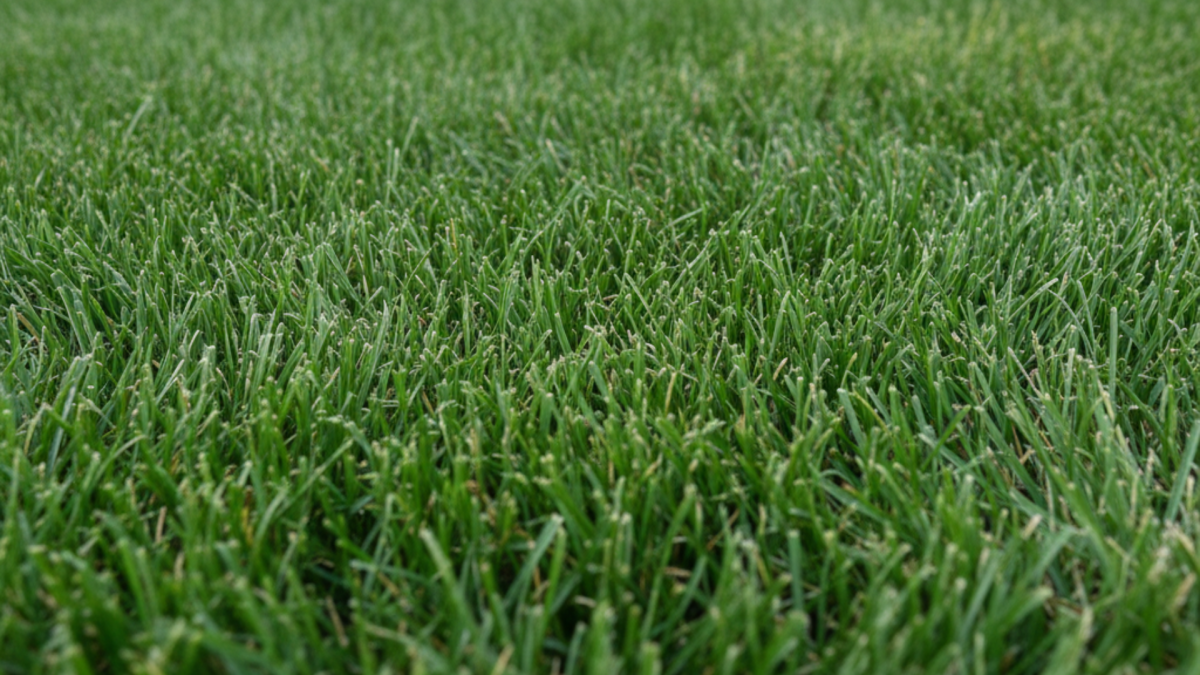
Properties following scheduled programs typically maintain more consistent appearance throughout the season. Turf color remains relatively uniform. Weed pressure stays low. Pest damage rarely becomes visible. The lawn looks maintained because maintenance happens continuously rather than episodically.
Reactive approaches create more variable results. Treatment eliminates the current problem, but conditions that allowed the problem to develop often remain unchanged. Weeds return because no pre-emergent prevents new germination. Diseases reappear when weather conditions again favor pathogen development. Pest populations rebuild after treatment because no preventative barrier exists.
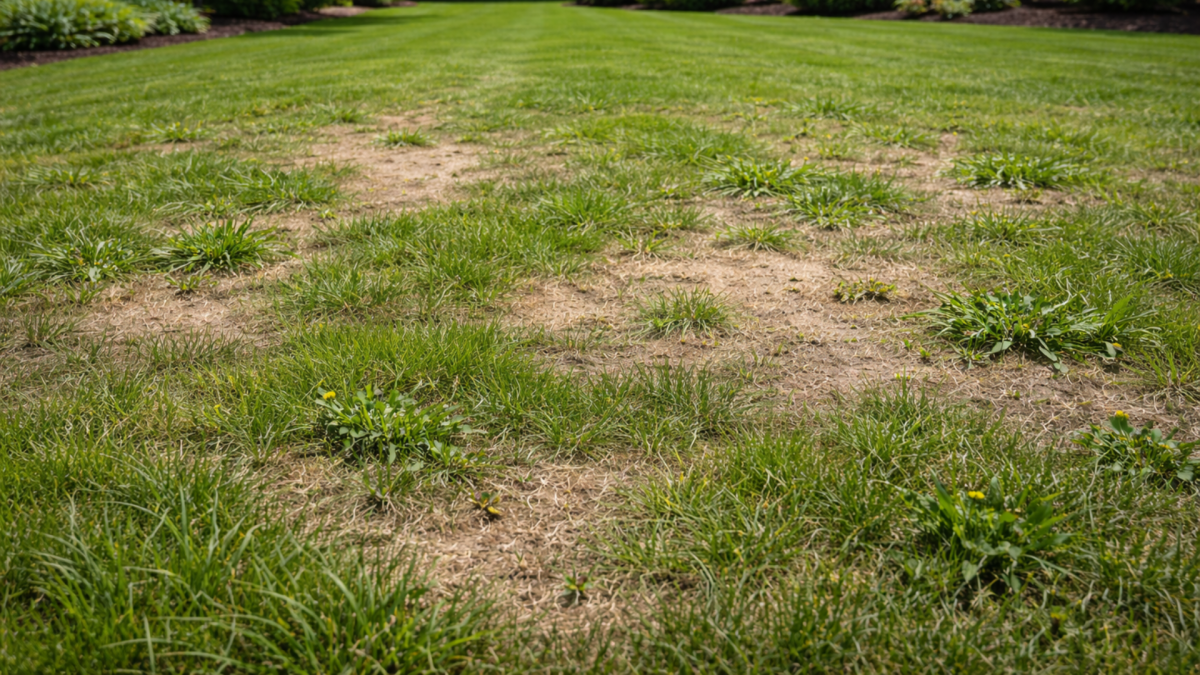
The recovery period after reactive treatment also affects appearance. Brown patches from disease or insect feeding require weeks to months for turf to fill back in, even after the causal agent has been eliminated. Dead spots may need overseeding to restore density. During recovery, the lawn shows visible damage that scheduled programs would have prevented.
Cost differences become apparent over full seasons rather than individual treatments. Reactive customers who experience multiple problems throughout a season often spend more cumulatively than scheduled program costs would have been. They also invest more time coordinating service visits, waiting for appointments during peak demand periods, and monitoring whether treatments resolved issues.
How Lawn Care Decisions Are Evaluated in Practice
Sutter Lawns evaluates properties individually when homeowners inquire about service options. Site assessment identifies current turf condition, existing problem severity, soil characteristics, and factors that influence treatment success. This information helps determine whether reactive treatment of current issues makes sense or whether underlying conditions require comprehensive program enrollment.
Properties with multiple simultaneous problems typically benefit more from scheduled programs than from treating issues individually. A lawn showing weed pressure, thin turf, and pest activity needs integrated intervention rather than isolated treatments. Scheduled programs address these interconnected issues systematically while reactive approaches treat symptoms without necessarily changing conditions that cause them.
Communication focuses on explaining what drives treatment recommendations rather than simply listing available services. Homeowners receive clear information about why particular timing matters for specific treatments and what results to expect under different service models. This transparency helps property owners make informed decisions about which approach matches their situation.
Variables That Influence Which Approach Fits Specific Properties
Property characteristics affect how well different service models work. Lawns with significant shade, poor drainage, compacted soil, or thin turf face more frequent problems that benefit from scheduled intervention. Sites with favorable growing conditions and healthy established turf may handle reactive treatment successfully.
Homeowner availability and attentiveness also matter. Reactive approaches require recognizing problems early, contacting service providers promptly, and scheduling treatments before issues worsen. Property owners who monitor their lawn regularly and respond quickly to changes can use reactive service more effectively than those who notice problems only after substantial damage has occurred. Professional lawn care services in Polk City, Ankeny, Grimes, Bondurant, and Johnston accommodate both service models but help homeowners understand which fits their situation better.
Local Relationships and Service Communication
Sutter Lawns maintains detailed property records for both scheduled program clients and reactive service customers. Treatment history, observed conditions, and previous problem patterns inform future recommendations. When homeowners contact the company about concerns, technicians can reference what has been applied previously and how the lawn responded.
Communication about treatment results includes follow-up contact to verify that applications achieved intended outcomes. If problems persist or new issues develop, lawn care professionals in Central Iowa discuss additional evaluation and potential adjustments to treatment approach. This ongoing dialogue helps homeowners understand how their lawn is responding and whether their current service model is achieving desired results.
Why This Decision Matters Beyond Immediate Cost
Choosing between reactive and scheduled lawn care determines more than this season’s appearance or expense. It establishes patterns that affect long-term turf health and the severity of future problems. Properties that receive preventative care develop stronger root systems, better stress tolerance, and more resilient turf that resists damage. Properties treated reactively spend more time in weakened condition following each problem event, making them more vulnerable to subsequent issues.
The decision also affects homeowner stress and time investment. Reactive approaches require constant monitoring, problem identification, and coordination of service visits. Scheduled programs transfer these responsibilities to service providers who anticipate needs and maintain consistent treatment intervals. For property owners seeking predictable, low-effort lawn care, scheduled programs eliminate the decision-making burden that reactive approaches require. Sutter Lawns remains available at 515-329-3154 or through sutterlawns.com to discuss service options with Central Iowa homeowners evaluating their lawn care approach.

Contact Information:
Sutter Lawns
NW 126th Ave
Polk City, IN 50226
United States
Contact Team
https://sutterlawns.com/
Original Source: https://sutterlawns.com/media-room/