Renegade Landscapes Explains How Project Sequencing Affects Outcomes and Investment
Morgan, United States – February 27, 2026 / Renegade Landscapes /
When Budget Meets Vision in Landscape Planning
Homeowners throughout northern Utah frequently face a planning question that affects both immediate investment and long-term satisfaction: should they complete an entire landscape transformation at once, or break the work into phases spread across multiple years? The answer influences not just financial planning but also how well different elements integrate, how disruptive the work becomes, and what the property looks like during the transition period.
This decision requires understanding which projects build on each other, which can stand alone, and how timing affects both cost and quality. Renegade Landscapes has published guidance on professional versus DIY landscape planning that addresses some of these considerations, though the phasing question deserves its own examination.
Understanding Project Dependencies and Sequencing Logic
Some landscape improvements function independently. Others create foundation work that subsequent projects depend on. Recognizing these relationships helps homeowners avoid costly mistakes and unnecessary rework.
Grading and drainage corrections fall into the foundational category. If a property has water management problems, addressing them before installing hardscaping or planting beds prevents damage to those later investments. Patios built on improperly graded ground may settle unevenly. Planting beds in poorly drained areas require replacement plants or extensive soil amendments. Completing drainage work first eliminates these risks, even if other projects wait until the following season.
Irrigation system installation or major upgrades similarly benefit from early completion. Trenching for new irrigation lines after installing a patio means cutting through finished work. Running lines after planting beds are established means disturbing root systems or working around mature plants. Installing irrigation infrastructure early allows all subsequent work to proceed without backtracking.
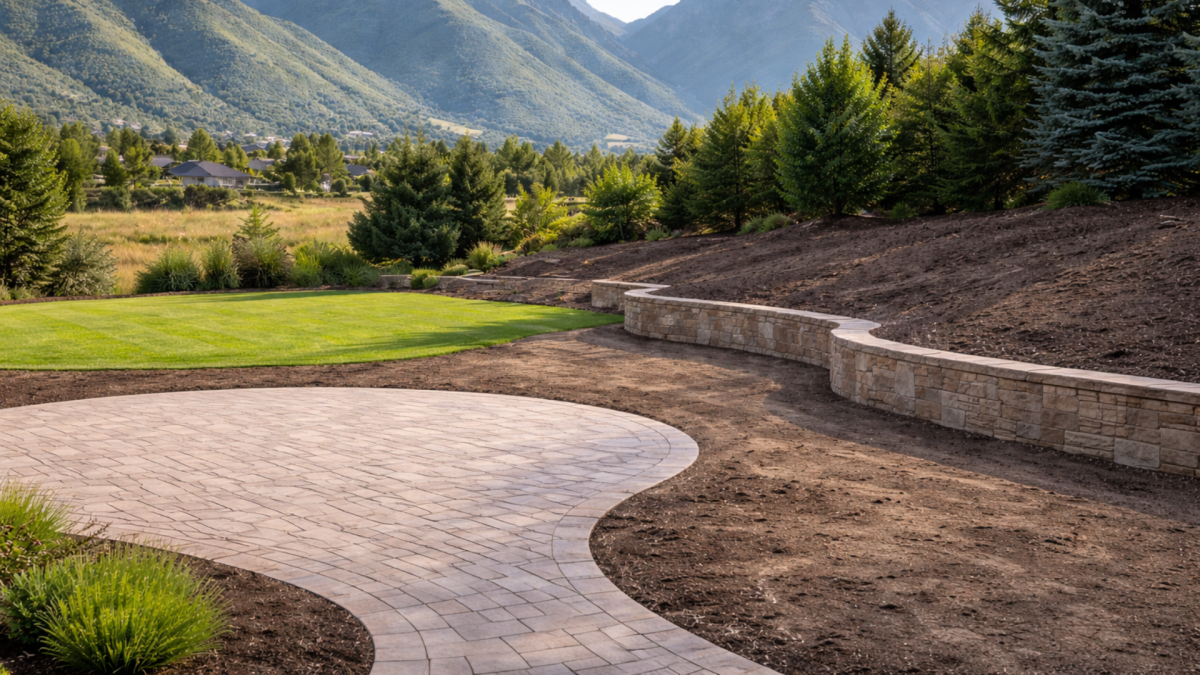
Hardscaping projects, including patios, walkways, driveways, and outdoor steps, often make sense as standalone phases. These installations require heavy equipment and significant excavation. Completing them before final grading and planting means avoiding damage to finished landscape areas. However, they also create defined spaces that influence where planting beds should go and what sizes make sense.
Finishing elements like outdoor lighting, decorative curbing, and fire pits can happen at any point but typically look most integrated when their placement considers the overall design from the beginning, even if installation waits until later phases.
How Sequencing Choices Affect Costs and Outcomes
Completing all work at once offers several advantages. Mobilization costs for equipment and crews get spread across the entire project rather than repeated for each phase. Material ordering benefits from volume pricing. The property experiences disruption once instead of multiple times. The finished result arrives sooner.
However, comprehensive projects require larger upfront investment. They also assume the design is finalized and that no adjustments will be needed based on how the family actually uses the space. Some homeowners discover after living with initial improvements that they want different features or configurations than originally planned.
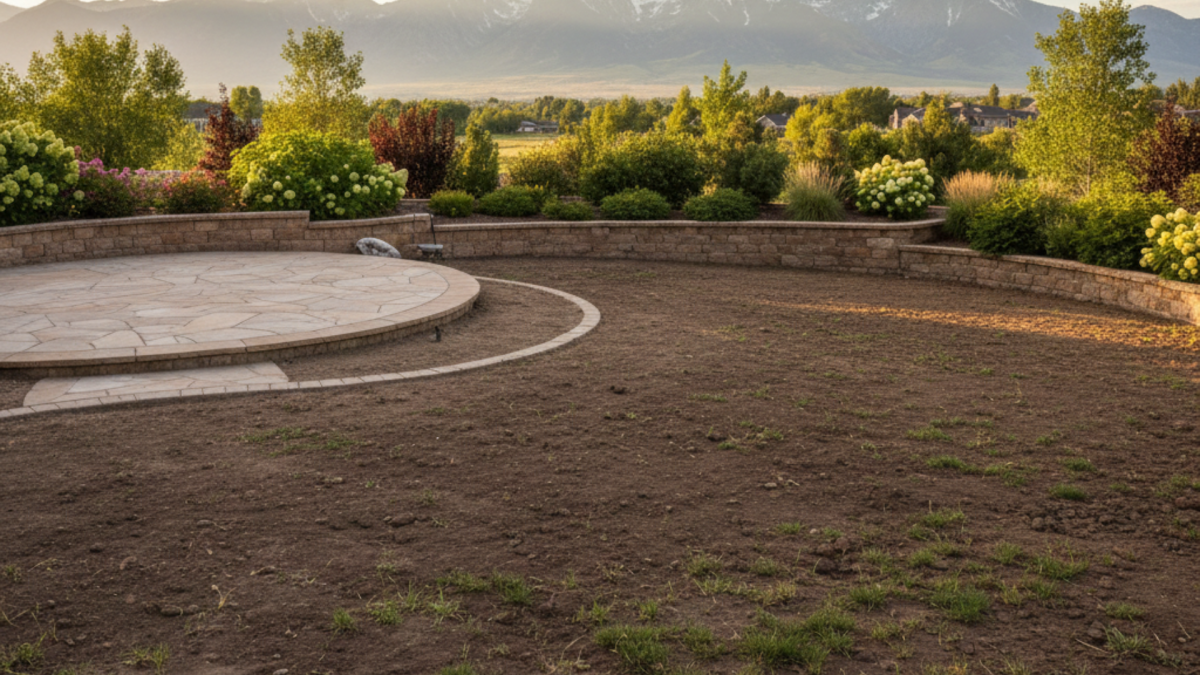
Phased approaches allow for budget spreading and design refinement. A family might install a basic patio the first year, see how they use it, then add outdoor lighting and a fire pit the second year after understanding traffic patterns and gathering preferences. This flexibility can lead to better final results.
The disadvantages include higher cumulative costs due to repeated mobilization and potential design compromises. A patio sized for current needs might feel too small once other features get added. Planting beds located without considering future hardscaping might need relocation.
Some cost factors work differently than homeowners expect. Installing a patio and fire pit together typically costs less than installing them separately due to shared excavation and base preparation. However, installing irrigation one year and plantings the next doesn’t create the same redundancy if the irrigation design accounts for future planting areas from the beginning.
How Project Evaluation Addresses Sequencing Questions
The approach Renegade Landscapes takes starts with understanding what the property needs functionally and what the homeowner wants aesthetically. These priorities help identify which projects create the most value early and which can wait without compromising the overall vision.
For properties with significant functional problems, solving those problems takes precedence. A yard with standing water needs drainage solutions before anything else. A property lacking defined outdoor living space might prioritize a patio even if other elements wait.
Budget realities factor into every sequencing discussion. When comprehensive completion isn’t financially feasible immediately, the conversation shifts to what sequence delivers the most usable outdoor space soonest while avoiding rework later. This often means front-loading infrastructure work like grading and irrigation, then phasing visible elements like hardscaping and plantings across subsequent years.
Renderings and consultations help homeowners visualize how phased work will look at each stage and how pieces will come together over time. Seeing the progression helps avoid situations where year two additions look like afterthoughts rather than integrated components.
The goal is ensuring that whether work happens all at once or over several years, each phase makes sense independently while supporting the ultimate vision.
What Influences the Right Approach for Individual Properties
Property size and scope affect sequencing decisions significantly. Smaller yards lend themselves to comprehensive completion because the total project cost remains manageable. Larger properties with extensive plans often require phasing simply due to investment size.
Current property condition matters too. A newer home with basic builder landscaping faces different decisions than an established property needing significant updates. The newer property might benefit from phased additions as the family determines their preferences. The established property might need comprehensive work to address accumulated problems all at once.
How quickly homeowners want to use their outdoor space influences timing. Families planning to host gatherings immediately might prioritize patio and fire pit installation over bed plantings. Those comfortable with gradual improvement might phase work across multiple years. Properties throughout the Morgan area vary widely in existing conditions and homeowner priorities, which makes individualized planning essential.
Supporting Homeowners Through Multi-Year Planning
Properties undergoing phased improvements benefit from relationships with providers who understand the complete vision and can ensure each phase supports what comes next. This continuity prevents situations where phase two work requires undoing portions of phase one.
Communication throughout the process helps homeowners understand how current decisions affect future options. When a homeowner chooses patio dimensions, knowing how those dimensions will interact with planned outdoor lighting or future planting beds prevents regret later. Landscape providers in northern Utah who maintain ongoing relationships with clients can offer this kind of guidance across multiple seasons.
Documentation of plans, including where underground utilities and irrigation lines run, prevents problems when subsequent phases require excavation. Properties that complete work over several years need this information preserved between projects.
Avoiding Common Sequencing Mistakes
Homeowners who phase work without considering project dependencies often face expensive corrections. Installing sod before addressing drainage problems leads to dead grass and wasted investment. Building a patio before running irrigation lines means tearing up hardscaping later. Adding outdoor lighting without accounting for future plantings results in fixtures that end up in wrong locations once beds get installed.
Underestimating how site access affects costs creates surprises. Equipment that can reach the backyard easily when the space is empty might require removal of fencing or gates after other work is complete, adding unexpected expense to later phases.
Failing to complete foundational work early extends project timelines unnecessarily. Grading corrections that could happen in year one but get postponed until year three delay everything that depends on them and may require working around completed elements.
Planning the full scope at the beginning, even when execution happens over multiple years, prevents most sequencing problems. Homeowners who understand the complete vision can make informed decisions about what to prioritize and what sequence makes sense for their property and budget.
For information about landscape planning and project sequencing in northern Utah, contact Renegade Landscapes at 801-921-8929 or visit renegadelandscapes.com.
Contact Information:
Renegade Landscapes
599 N 400 W
Morgan, UT 84050
United States
Contact Renegade Landscapes
(801) 921-8929
https://renegadelandscapes.com/

Original Source: https://renegadelandscapes.com/media-room/