Mountain House Mechanical Explains Coastal Climate HVAC Challenges
Rohnert Park, United States – March 2, 2026 / Gauge Digital Media /
Mountain House Mechanical Highlights How Coastal Air Impacts HVAC Systems in Marin County
Local HVAC experts explain how salt air, humidity, and marine conditions affect system performance and longevity
Marin County’s coastal setting offers scenic views, cool ocean breezes, and a temperate climate. However, according to Mountain House Mechanical, these same environmental advantages can create hidden challenges for residential HVAC systems. Salt-laden air, elevated humidity levels, and constant marine exposure place additional strain on heating and cooling equipment, often accelerating wear and reducing efficiency.
Many homeowners notice gradual changes such as rising energy bills, uneven temperatures, or an increase in repair frequency. In coastal climates, these issues are frequently tied to environmental exposure rather than equipment defects. HVAC systems near the coast face stressors that inland systems rarely encounter, requiring more specialized maintenance strategies and thoughtful system design.
Mountain House Mechanical works with homeowners throughout Marin County who experience these conditions firsthand. By understanding how coastal air affects HVAC systems, the company helps residents make informed decisions that protect equipment lifespan and preserve consistent indoor comfort.
Coastal Air Conditions Create Unique HVAC Challenges
Coastal air in Marin County contains higher concentrations of salt particles, persistent moisture, and fluctuating temperature patterns. These elements collectively influence how HVAC systems operate and age. Even homes located several miles inland are affected, as marine air travels through fog and prevailing winds.
Salt particles are microscopic but highly corrosive. Once they settle on outdoor HVAC components, they attract moisture and create an environment that accelerates metal deterioration. Over time, this corrosion weakens structural elements and reduces operational efficiency.
Humidity is another constant factor. Marine layers and morning fog elevate moisture levels, increasing the workload placed on HVAC systems. Daily temperature swings—from cool, damp mornings to warmer afternoons—cause repeated expansion and contraction within system components, contributing to long-term stress.
The Effects of Salt Air Corrosion
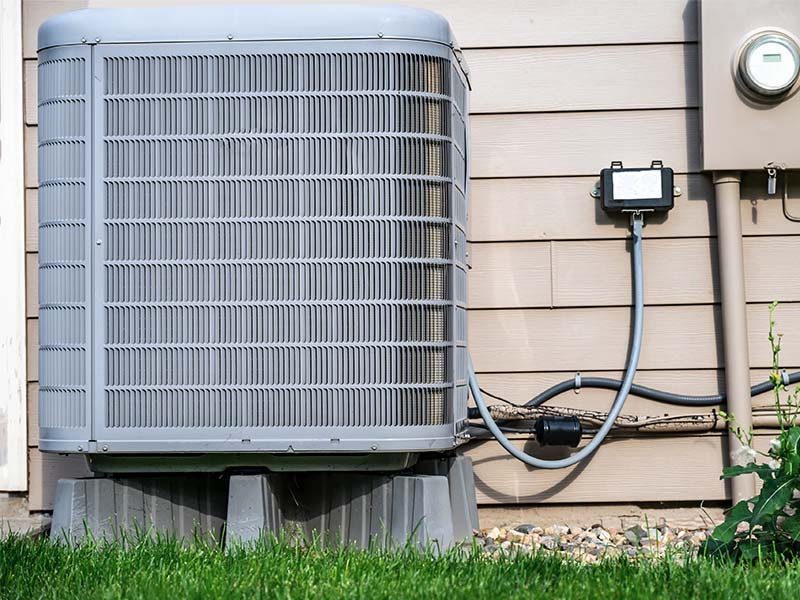
Salt air corrosion is one of the most significant threats to HVAC equipment in coastal regions. When salt residue accumulates on metal surfaces, electrochemical reactions begin to break down protective coatings and structural materials. Outdoor condenser units are especially vulnerable due to continuous exposure.
As corrosion progresses, heat transfer efficiency declines. Systems must work harder to maintain indoor comfort, placing added strain on compressors and moving parts. This additional workload often shortens overall equipment lifespan.
Components most susceptible to salt-related damage include condenser coils, compressor housings, fan motors, electrical terminals, mounting brackets, and exposed fasteners. Electrical connections are particularly sensitive, as salt buildup can cause intermittent failures, unexplained shutdowns, and inconsistent cooling performance.
Rather than causing immediate breakdowns, corrosion typically weakens systems gradually. Without preventive maintenance, this deterioration can lead to unexpected failures and costly emergency repairs.
Moisture and Indoor Air Quality Concerns
Elevated humidity levels further impact HVAC performance in Marin County. Systems must remove excess moisture while regulating temperature, increasing runtime and energy consumption. If humidity control is inadequate, comfort levels decline and indoor air quality may suffer.
Moisture accumulation inside HVAC components creates favorable conditions for mold and mildew growth. This can result in musty odors, increased allergy symptoms, and respiratory irritation. Over time, these issues can compromise both comfort and health.
Condensation is another common challenge. When warm indoor air contacts cooler system surfaces, water droplets form. If drainage systems are obstructed or improperly designed, moisture can collect in unintended areas, potentially causing surrounding damage.
Addressing humidity requires proper system sizing, airflow balance, and effective condensate management. Proactive moisture control protects both equipment and indoor environments.
Efficiency Loss and Rising Energy Costs
Environmental exposure to salt and moisture gradually reduces HVAC efficiency. Corroded coils, restricted airflow, and humidity-related strain force systems to operate longer and consume more energy. Homeowners may notice higher utility bills, inconsistent temperatures, or extended system cycles.
Salt accumulation on condenser coils restricts airflow and impairs heat exchange, increasing mechanical stress. Over time, this reduces reliability and heightens the risk of breakdowns during peak seasonal demand.
Efficiency loss often develops slowly, making it difficult to detect without professional evaluation. In coastal climates, routine inspections and performance optimization are essential to maintaining energy efficiency and system reliability.
Preventive Maintenance for Coastal HVAC Systems
Mountain House Mechanical emphasizes that HVAC systems in marine environments require more frequent and specialized maintenance than standard service schedules provide. Preventive care is critical to mitigating salt corrosion and moisture damage.
Coastal-focused maintenance strategies include regular cleaning of condenser and evaporator coils, application of anti-corrosion coatings, inspection of electrical connections, clearing of condensate drain lines, and airflow balancing throughout the system.
Routine inspections allow technicians to identify early signs of deterioration before they escalate into major repairs. By addressing issues proactively, homeowners can extend equipment lifespan and reduce long-term costs.
Selecting the Right System for Coastal Living
Equipment selection plays a crucial role in HVAC durability near the coast. Not all systems are designed to withstand salt exposure and elevated humidity levels. Choosing corrosion-resistant materials, such as coated coils and stainless-steel components, provides added protection.
Variable-speed systems can also enhance humidity control by adjusting output to match real-time conditions, reducing wear caused by constant cycling. Proper system sizing is equally important, as oversized units may cool quickly without effectively removing moisture, while undersized systems may overwork and wear out prematurely.
Installation quality further impacts performance. Strategic outdoor unit placement, proper airflow clearance, and effective drainage design all contribute to long-term resilience in coastal environments.
Supporting Long-Term HVAC Performance in Marin County
Coastal air in Marin County presents ongoing challenges for HVAC systems. Salt corrosion, persistent humidity, and environmental exposure can shorten equipment lifespan and reduce efficiency without proper attention.
Mountain House Mechanical provides specialized expertise tailored to the region’s climate. By combining preventive maintenance, strategic system selection, and precision installation, the company helps homeowners protect their HVAC investments and maintain reliable indoor comfort.
Homeowners seeking to extend the life of their heating and cooling systems are encouraged to schedule a professional evaluation with Mountain House Mechanical to ensure their equipment is prepared for the demands of coastal living.


Contact Information:
Mountain House Mechanical
586 Martin Ave #1
Rohnert Park, CA 94928
United States
Tyler Wilson
(707) 484-9388
https://mountainhousemechanical.com/
Original Source: https://mountainhousemechanical.com/blog/how-coastal-air-affects-hvac-systems-in-marin-county/